IntelligenceAUVEMARE / Story 077
Black Pepper’s Asset Transfer Puts Continuity at the Centre of Its Next Chapter
14 October 2026 · 3 min read

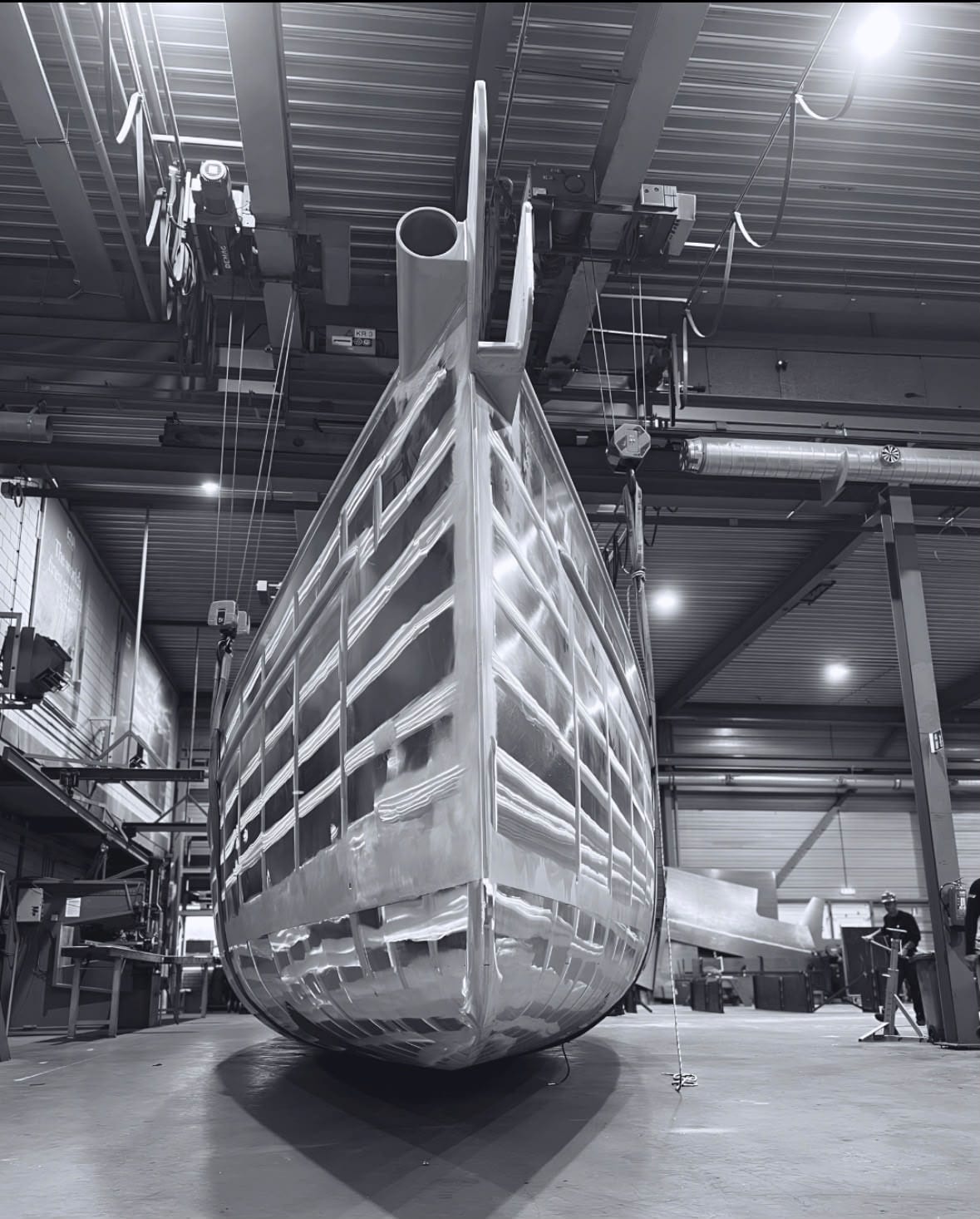
Black Pepper Code 2 - For more, please visit the Black Pepper official website.
Image: Black Pepper Code 2 - Original Photo
Didier Charpentier’s CDML has taken over Black Pepper Yachts’ assets through a court-approved process in Nantes. Reported retention of most employees offers continuity of expertise, while work on existing yachts remains a central practical task.
A Transfer Following Financial Difficulty
BOAT International reports the court-approved takeover by Didier Charpentier’s CDML Marine. BoatIndustry’s earlier French report describes an asset transfer to CDML after Black Pepper entered judicial reorganisation, with the original company moving into liquidation. The acquisition should therefore be understood through that restructuring process, rather than as an ordinary purchase of shares in an unchanged company.
BoatIndustry reports that eleven of twelve employees are being retained. It also says the transfer price has not been disclosed. Charpentier, a former software-company executive, already knows the builder as the customer for one of two C.69 catamarans under construction.
Those reported details identify the immediate industrial priorities: preserve the team’s knowledge and continue existing work. They do not establish a completed delivery programme, future profitability or the contractual position of every customer.
Continuity Is More Than a Brand Name
A builder’s name may remain familiar while the legal entity behind its activity changes. For customers and suppliers, that makes the distinction between the previous business and the acquiring structure important.
Anyone with an existing relationship needs a clear account of which obligations the new structure has accepted and who is responsible for the next step. Project records, payments, warranties and work already completed should be addressed through the relevant agreements. The public reporting does not provide enough detail to resolve those questions for individual boats.
The retention of most employees is a meaningful point of continuity, but it should not be treated as an automatic assurance about every contract. Skilled people and documented responsibilities contribute different parts of the confidence a customer needs.
The Work After the Court Approval
For a specialised sailing-yacht builder, the production task continues after the transfer announcement. A new operator needs to understand the condition of each project, organise remaining work and communicate a credible sequence to those involved.
The relationship with suppliers deserves the same clarity. A practical restart depends on knowing what equipment is available, what remains to be ordered and how upcoming work will be financed. These are questions raised by a restructuring, rather than claims that the acquiring company has already answered them.
Future reporting can assess the transition through visible progress: confirmed responsibilities, continued construction and completed handovers. Until those developments are documented, the transfer represents a new starting position. It creates an opportunity to preserve the activity without erasing the difficulties that made a new structure necessary.
Source: BOAT International