Electric MarineAUVEMARE / Story 100
RAD Partners With KENT to Bring Electric Propulsion Closer to French Operators
20 October 2026 · 3 min read

RAD Propulsion original photo. For more, please visit the official website
Image: RAD Propulsion
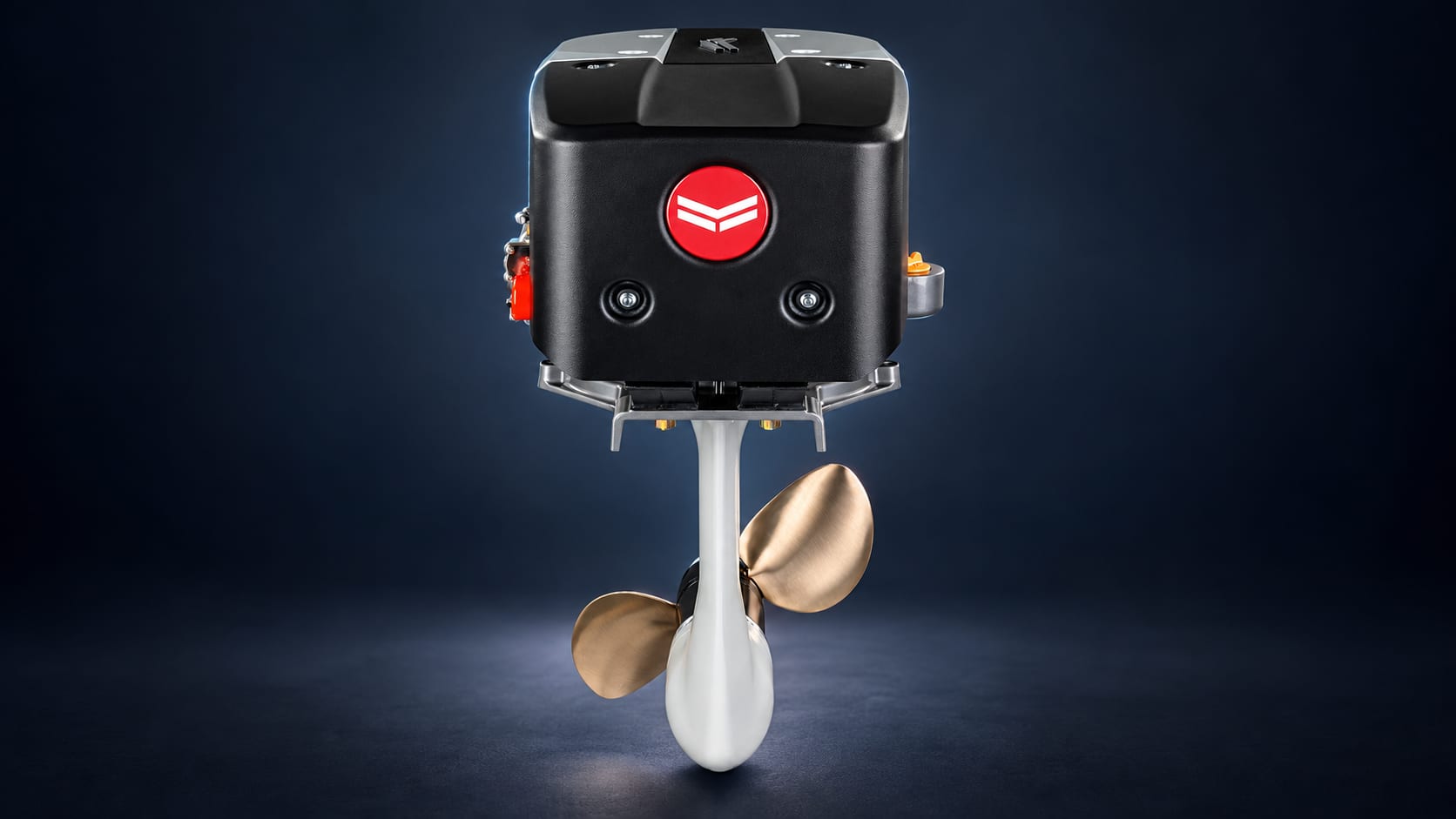
RAD has appointed KENT Marine Equipment as a French supply and integration partner for its electric propulsion systems. The agreement gives professional operators a local point of contact for the RAD 40, with support intended to cover the journey from choosing an installation to putting it aboard a working boat.
A French Partner for the Complete Installation
RAD's announcement places KENT Marine Equipment, part of KENT Group, alongside its expanding European network. The partnership focuses on supplying and integrating the 40 kW RAD 40 electric outboard for professional applications in France.
KENT is expected to assist with specification and installation. Its own RAD product information also identifies professional uses ranging from harbour-service boats to expedition support craft and rental fleets. Those examples describe intended applications, rather than proof that one configuration will suit every vessel within them.
For an operator considering a change, that local relationship creates somewhere to begin the detailed conversation. The motor is one part of a proposal; battery arrangement, charging access and the boat's working pattern still need to be considered together before an installation can be judged suitable.
Handling and Energy Choices
The RAD 40 uses drive-by-wire control and 180-degree steering. KENT also offers the possibility of combining RAD drives with MASE generators and Dynawatt alternators in hybrid configurations.
That distinction deserves care. An electric drive can form part of a generator-supported system; the resulting vessel should not automatically be described as operating entirely on batteries. The announcement gives no single range figure that can be applied across all installations.
A useful assessment would therefore start with an actual working day. How much time is spent moving slowly, waiting or returning to the same berth? Where could charging fit into that routine? Which demands must the boat meet on its busiest day? Those questions make a specification more meaningful than an isolated motor rating.
For a fleet considering several boats, they also offer a way to keep comparisons consistent. Each proposal can be discussed against the same operating requirement, with any assumptions made clear to the people who will eventually use the equipment.
An Opportunity to Try It in Nantes
RAD says demonstration trials are planned in Nantes on 3–5 November 2026, with bookings through KENT. The event offers operators, builders and designers an opportunity to discuss the system around a physical installation.
The most productive visit may be one accompanied by a short description of the intended boat and its routine. A demonstration can reveal how the controls feel and which further questions deserve attention. It cannot establish every aspect of performance for a different vessel.
For AUVEMARE, the partnership's significance is the addition of local integration support to the product offering. The next useful evidence will come from particular installations and the experience of the operators using them.
Source: RAD Propulsion